An industrial site typically treats water at several points: incoming raw water, cooling circuits, boiler feed, reverse osmosis (RO) systems and outgoing effluent. Each stage has its own problems — turbidity, scale, corrosion, microbial growth — and its own chemical toolkit. This guide maps the main chemical families to the jobs they do.
1. Raw water and effluent: coagulants and flocculants
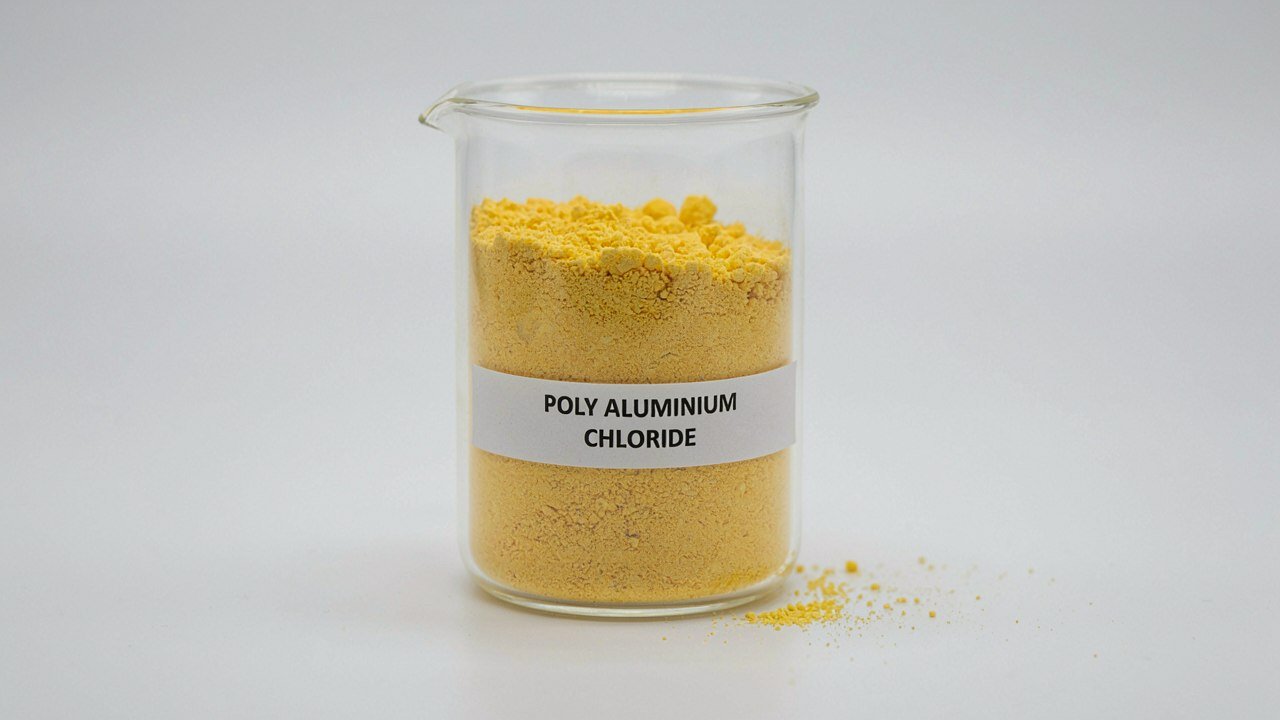
Clarifying raw water and treating effluent both rely on coagulation: metal salts that neutralise the charge on suspended particles so they clump together and settle. The workhorse coagulants are ferric sulphate, ferric chloride, aluminium sulphate and poly aluminium chloride (PAC). Iron salts are also widely used to remove phosphorus from wastewater. For a detailed comparison, see our guide to choosing a coagulant.
2. Cooling towers: biocides and microbial control
Open cooling towers are warm, aerated and full of nutrients — ideal conditions for bacteria, algae and biofilm. Unchecked, biofilm cuts heat-transfer efficiency and drives under-deposit corrosion. Treatment programmes usually combine:
- Oxidising biocides such as chlorine or bromine-based chemistry. Bromine-based programmes stay effective at the higher pH typical of many cooling systems; sodium bromide is commonly activated on site for this purpose.
- Non-oxidising biocides such as Bronopol, often dosed as a periodic slug alongside the oxidising programme to control biofilm and resistant populations.
- Scale and corrosion inhibitors, chosen to match the water chemistry and cycles of concentration.
3. RO systems: dechlorination and scale control
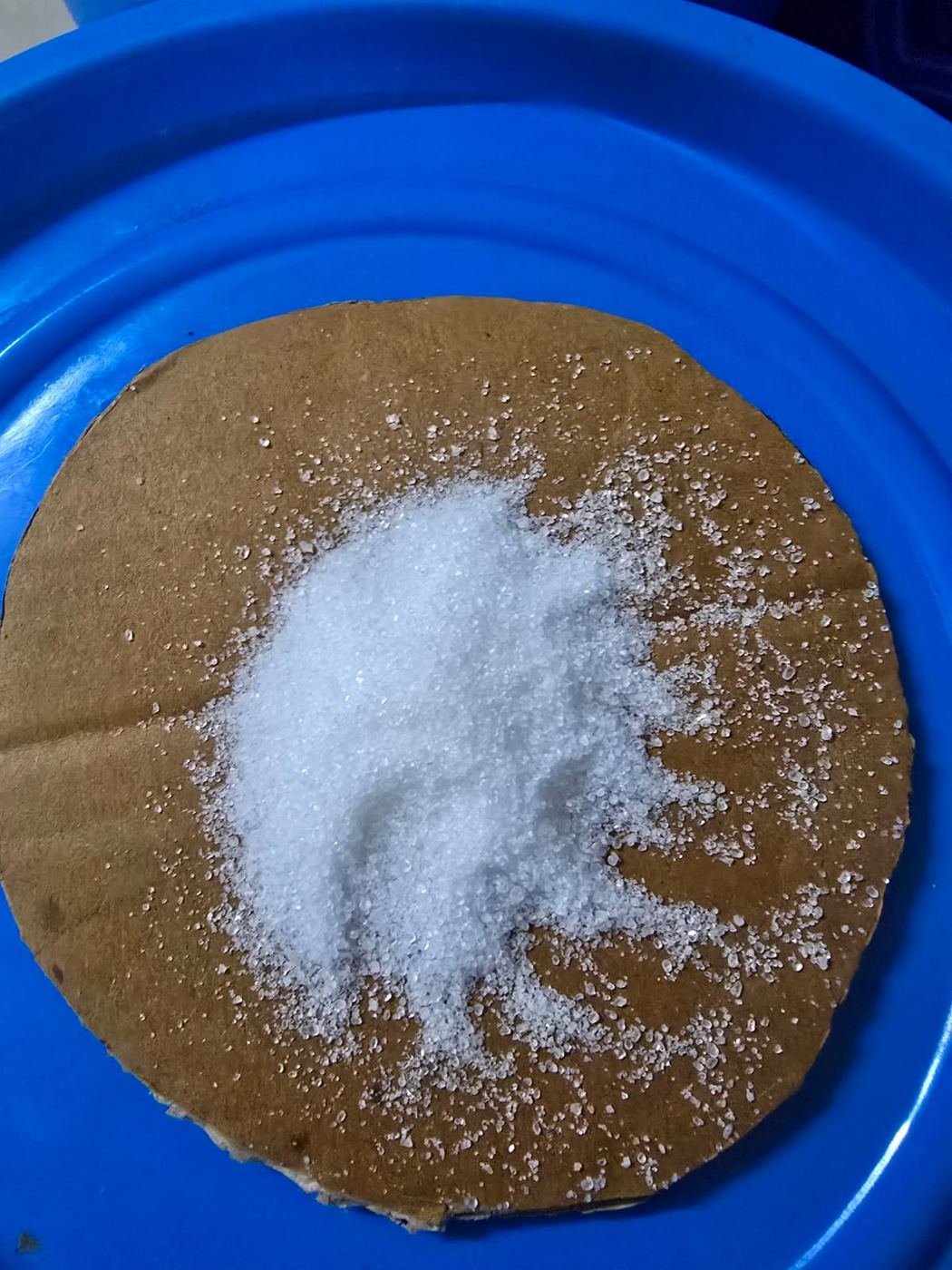
Most RO membranes are damaged by free chlorine, so feed water that has been chlorinated upstream must be dechlorinated before it reaches the membranes. Sodium metabisulphite is the standard choice: it reacts quickly with residual chlorine and is easy to dose as a solution. RO systems also use antiscalants to stop sparingly soluble salts precipitating on the membrane as the reject stream concentrates.
4. Boilers: oxygen and scale control
Dissolved oxygen in boiler feed water causes pitting corrosion, and hardness salts form insulating scale. Mechanical deaeration is normally supported by chemical oxygen scavengers, and internal treatment chemicals keep hardness in suspension for removal by blowdown. Boiler programmes are system-specific and are best designed with the boiler operator's water analysis.
5. pH and alkalinity control
Most coagulants consume alkalinity and lower pH, and many effluent discharge consents set a pH window. Plants therefore keep acids and alkalis on hand for pH correction at the coagulation stage and before discharge.
What to specify when buying
- Concentration or assay — e.g. ferric sulphate liquid at 40–44%, PAC at 28–30% Al₂O₃. Dose calculations depend on it.
- Form — liquid for bulk-tank dosing, powder to cut freight and storage.
- Documentation — a batch Certificate of Analysis and a current SDS for every consignment.
- Packing — drums, IBCs, bags or jumbo bags to suit your unloading equipment.
Kranti Chemicals supplies the raw chemicals behind these programmes — coagulants, bromine chemistry, Bronopol and sodium metabisulphite — to treatment companies and industrial plants in India and 25+ export markets. Ask our team for specifications, samples or a quote.