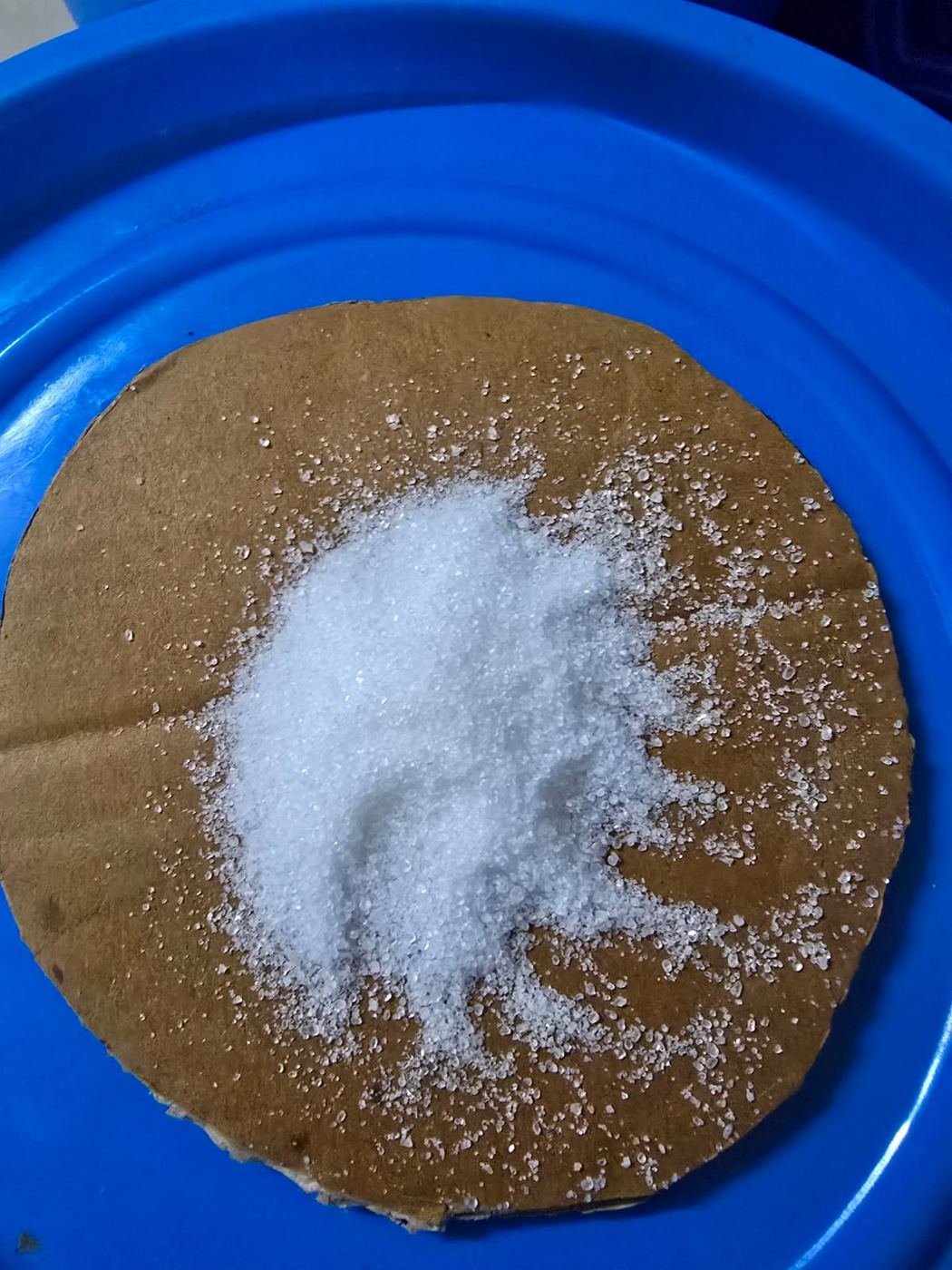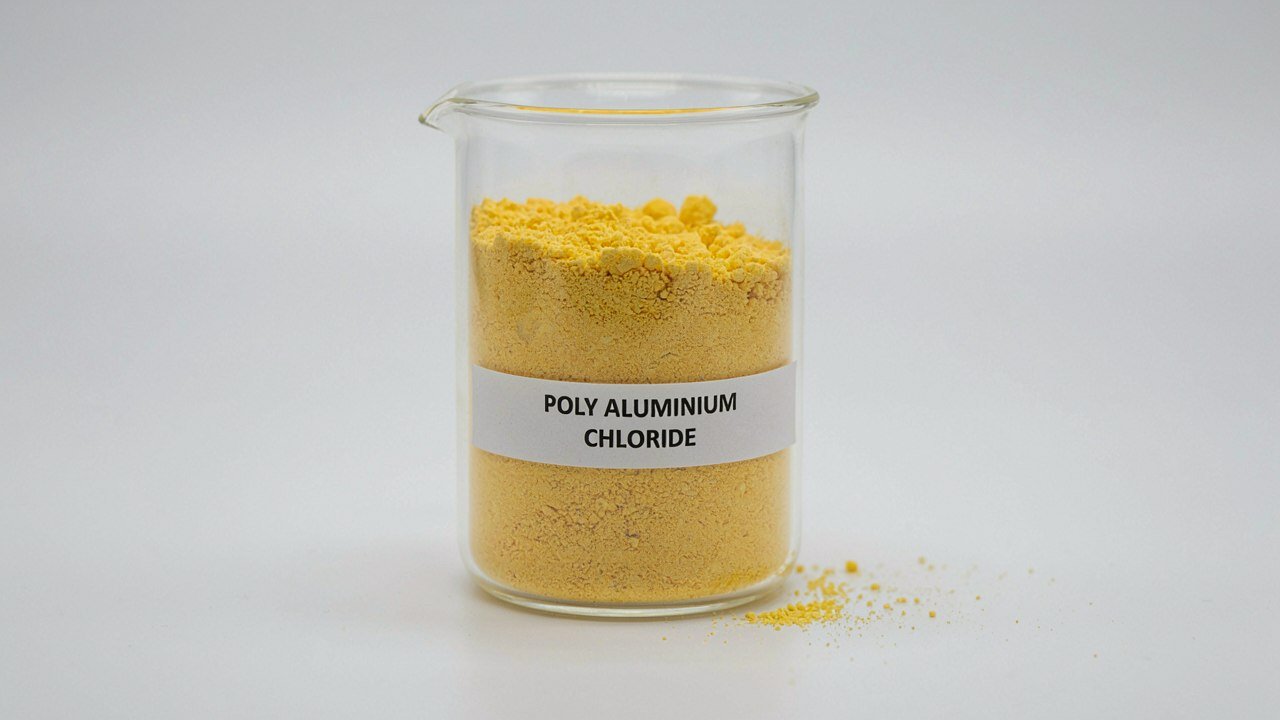
Coagulation is the first and often the most important chemical step in treating raw water and wastewater. Four inorganic coagulants do most of that work worldwide: ferric sulphate, ferric chloride, aluminium sulphate (alum) and poly aluminium chloride (PAC). Each one works, but they behave differently on the plant floor.
How coagulants work
Suspended particles in water carry a negative surface charge that keeps them apart. A coagulant adds positively charged metal ions (iron or aluminium) that neutralise this charge and form metal-hydroxide flocs, which sweep fine particles, colour and some dissolved organics out of the water. The flocs are then removed by settling, flotation or filtration.
The four options at a glance
| Ferric sulphate | Ferric chloride | Alum | PAC | |
|---|---|---|---|---|
| Metal | Iron (Fe³⁺) | Iron (Fe³⁺) | Aluminium | Aluminium (pre-polymerised) |
| Effective pH range | Wide | Wide | Narrower | Wide |
| Effect on alkalinity | Consumes alkalinity | Consumes alkalinity | Consumes alkalinity | Lower consumption |
| Corrosivity | Acidic, corrosive | Most corrosive (chloride) | Mild | Mild |
| Adds to water | Sulphate | Chloride | Sulphate | Small chloride load |
| Cold-water performance | Good | Good | Weaker | Good |
| Phosphorus removal | Yes | Yes | Yes | Yes |
| Forms supplied | Liquid 40–44%, powder | Liquid, powder | Lumps, granules, powder | Powder (PAC-30), liquid |
Ferric sulphate
Ferric sulphate is a strong, versatile coagulant that works across a wide pH range and produces dense, fast-settling flocs. Because it adds sulphate rather than chloride, it is often preferred where the chloride content of treated water or downstream corrosion is a concern. It is widely used in municipal drinking water, industrial wastewater and phosphorus removal. Kranti Chemicals supplies it as a 40–44% liquid and as a powder for sites without bulk liquid storage.
Ferric chloride
Ferric chloride is fast-acting and effective on high-turbidity and highly coloured water, and is common in sewage treatment, sludge conditioning and phosphorus removal. It is more corrosive than the sulphate-based options, so storage tanks, pipework and dosing pumps must be specified accordingly. It is also used outside water treatment, for example in metal etching. Available as liquid and powder.
Aluminium sulphate (alum)
Alum is the traditional coagulant for drinking water: familiar, easy to handle and economical. Its main limitations are a narrower optimum pH window and weaker performance in cold water. Aluminium sulphate from Kranti Chemicals is a water-treatment grade with Al₂O₃ ≥ 17%.
Poly aluminium chloride (PAC)
PAC is pre-polymerised, so it forms flocs faster, works across a broader pH range, consumes less alkalinity and performs better in cold water than alum. It often needs a lower dose and produces less sludge, which can offset its higher price per kilogram. PAC-30 powder (Al₂O₃ 28–30%) is the most common export grade.
How to choose
- Start with jar tests. Raw-water chemistry varies too much for a desk decision; test two or three candidates at a few doses on your own water.
- Check pH and alkalinity. Low-alkalinity water may need pH correction with iron salts or alum; PAC is more forgiving.
- Consider what you add. Chloride-sensitive processes favour sulphate-based coagulants; sulphate-sensitive ones favour chloride-based options.
- Count total cost, not price per kg. Include dose rate, pH-correction chemicals, sludge handling and equipment wear.
- Match the form to your site. Liquids dose easily from bulk tanks; powders cut freight and suit sites without tank storage.
Not sure which suits your water? Talk to our technical team — we can supply samples of each grade for jar testing.